Arnell Garrett
UMBC Faculty-Led: International Health Policy in Switzerland – Spring Break 2026
Majors: Public Policy, PhD
Pre- Departure Post
Introduction
I am very excited about this UMBC study abroad opportunity. The trip is part of the International Public Health Policy graduate course in the UMBC School of Public Policy, taught by Dr. Nancy Miller and led by Professor Katie Birger. This experience in Switzerland represents an opportunity to combine academic learning, cultural exploration, and personal goals. As a doctoral student studying public policy, I am particularly interested in how
different societies design institutions, deliver social services, and address complex public
policy challenges. This trip will allow me to observe international governance institutions, cultural initiatives, and social services in practice. I hope to learn from Switzerland’s approach to elder care, mental health programming, and global cooperation, while documenting my experiences for
the UMBC community, especially for students who may be considering studying or traveling abroad in the future.
Academic Aspirations for the Trip
One of the most exciting aspects of this trip is visiting the United Nations headquarters in Geneva. I am particularly interested in touring the Palais des Nations and seeing the diplomatic gifts that have been donated by member nations. These gifts represent the cultural identity of different countries and symbolize international cooperation. From a public policy perspective, observing the environment where international negotiations take place provides valuable insight into how global governance operates. Seeing the physical spaces where diplomacy occurs can help connect theoretical policy discussions with real-world institutions.
Interest in Aging and Elder Care
I am also very excited about the opportunity to visit a Swiss nursing home. Switzerland is known for maintaining high-quality long-term care systems and strong social support for older adults. This visit is especially meaningful to me because I previously worked with the UNC Institute on Aging and studied the sociology of aging and issues related to long-term care. Observing how another country approaches elder care may provide insights into how policy design, healthcare systems, and cultural expectations shape the quality of life for older adults.
Mental Health and the Living Museum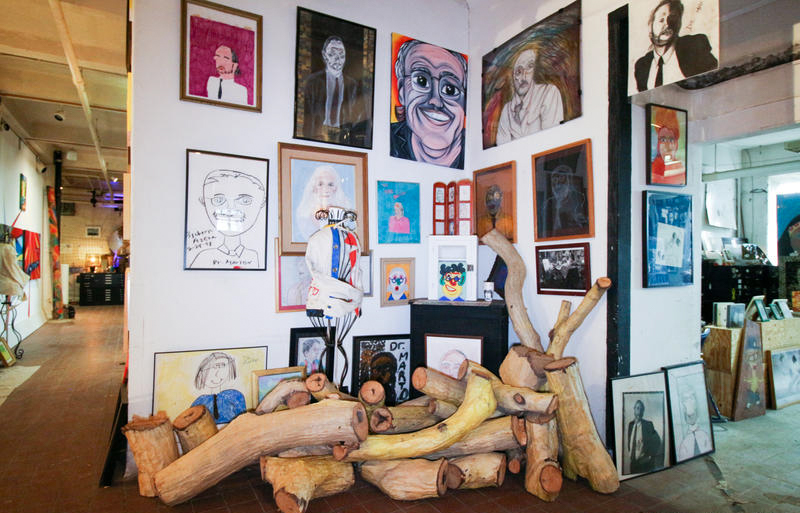
Another highlight of the trip will be visiting the Living Museum. The Living Museum is a therapeutic art space where individuals experiencing mental health challenges create and display artwork. The concept emphasizes creative expression as a form of healing and empowerment. This visit is particularly inspiring to me because I hope to organize a community mental health art exhibition in my own community in the future. Seeing how a Living Museum operates may provide ideas about how art can be used to promote healing, reduce stigma, and build community.
Packing for Switzerland in March
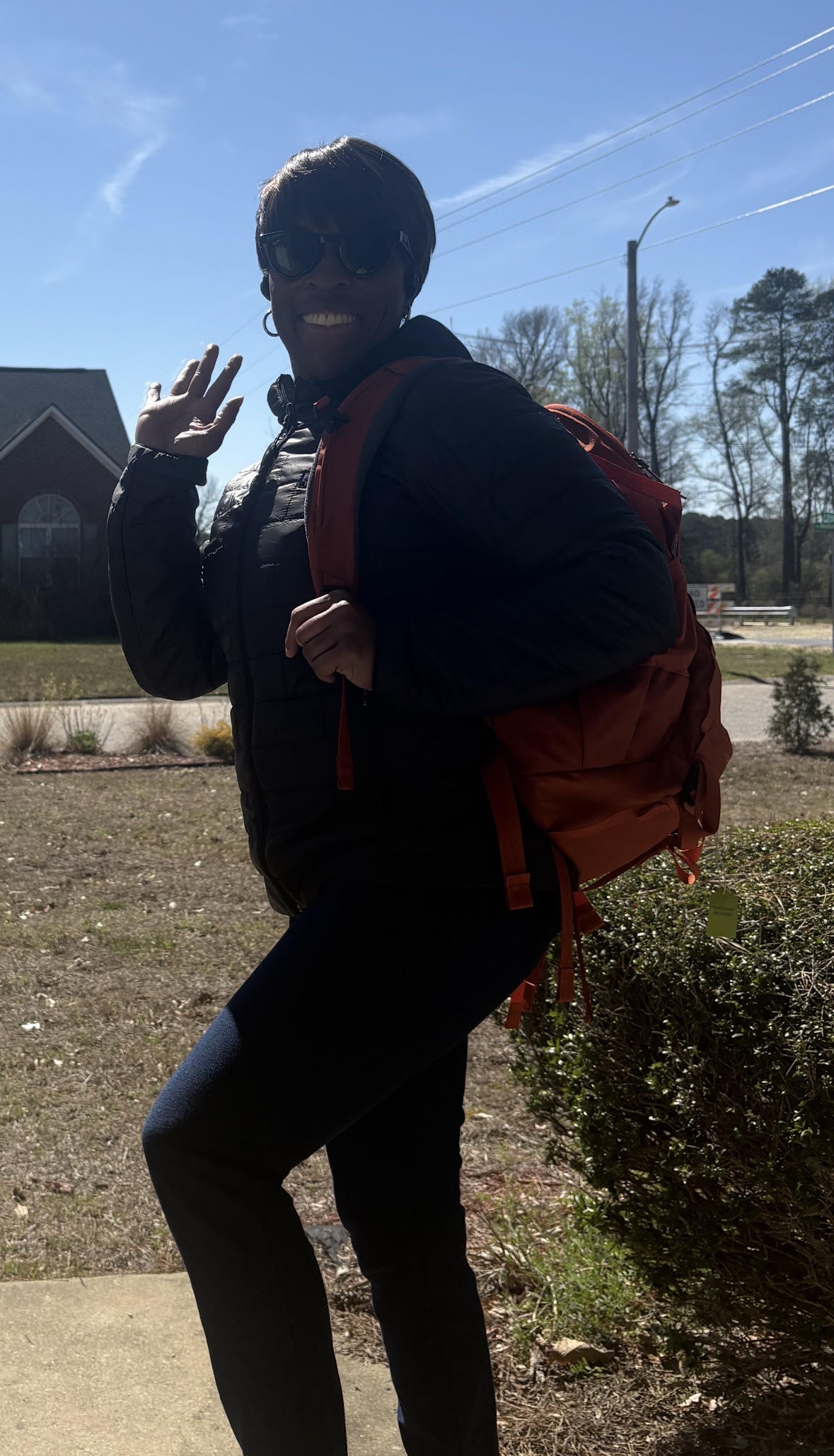
Traveling to Switzerland in March requires careful packing because temperatures are still quite cold, especially in the mornings and evenings. My professor advised our group to bring warm clothing but to also pack light since we would frequently be carrying our belongings while navigating public transportation. Taking that advice seriously, I focused on packing lightweight items that could be layered for warmth. I purchased a Travel 25 backpack from REI and managed to fit everything I need ed into that single bag. My clothing strategy centered on layering, so I packed five pairs of spandex leggings, two pairs of jeggings, one pair of pants, wool socks, seven thin sweaters, two base-layer shirts, and two base-layer pants to help retain heat. To stay organized, I sectioned everything into large
Ziploc bags. For outerwear, I brought a lightweight insulated jacket from Patagonia that provides warmth without adding extra weight. I also packed practical essentials such as pads, cold medicine, and upset stomach medication, along with my iPad so I can read, take notes, and document my experiences during the trip. Everything fit neatly into my backpack, and because it is designed with waist and chest support straps, the weight is distributed evenly across my body, making it surprisingly comfortable to carry.
Technology and Documenting the Experience
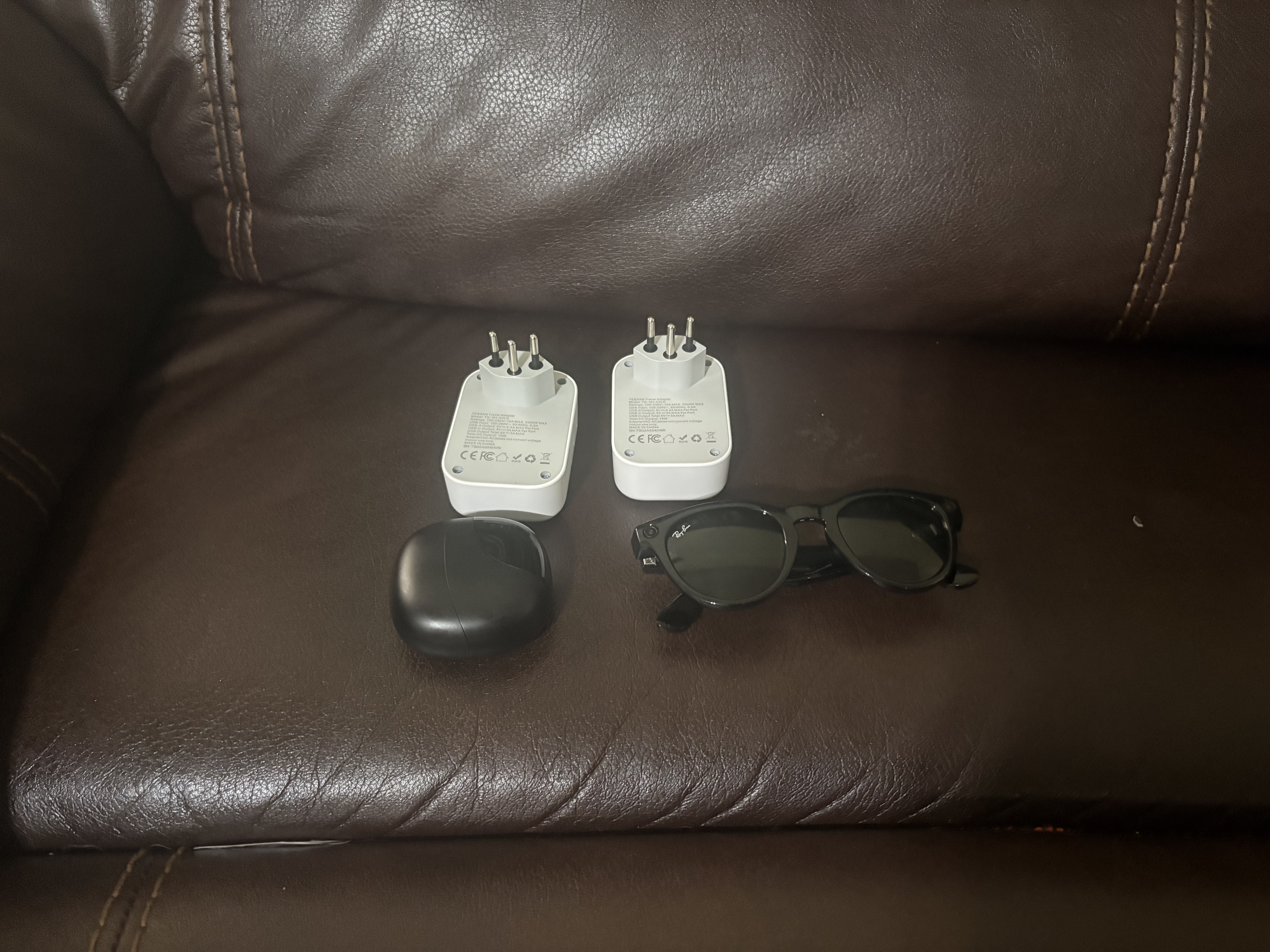 To help capture this experience, I purchased Meta smart glasses and translation earpieces before the trip. The glasses will allow me to take photos and short videos from my perspective while visiting different sites and institutions. The translation earpieces may also be helpful when interacting with people who primarily speak German. Switzerland has multiple national languages, and having translation tools available makes it easier to communicate and navigate unfamiliar environments.
Travel Delays and Missed Experiences
The trip did not begin exactly as planned. My flight was delayed, which caused me to miss the first two days of the program. Fortunately, the university purchased travel insurance for the trip, which means I will be reimbursed for the days that I missed. Unfortunately, the delay meant that I missed two activities I was especially looking forward to: a Swiss chocolate tour and a cheese tasting tour. Switzerland is internationally known for both of these culinary traditions. I am hopeful that I may still be able to fit these experiences into the remaining days of the trip if scheduling allows.
 Housing and Accommodations
During the trip, our group will be staying at two locations: the City Hostel in Geneva and the Ibis Styles Zurich City Center. One noticeable difference is that Swiss hotels tend to position beds much closer together than we typically see in the United States. These accommodations provide convenient access to the cities where our academic activities and cultural visits will take place. Staying in a hostel environment also offers opportunities to interact with travelers and students from around the world, which adds another dimension to the learning experience.
Looking Ahead
Although the trip began with an unexpected delay, I remain excited about the opportunities ahead. International travel provides a chance to step outside familiar systems and observe how other societies address social challenges such as healthcare, aging, and mental health. My goal is to learn as much as possible from these experiences and reflect on how these approaches might inform future work in policy, community programs, and research.
Study Abroad in Switzerland: The Trip That Felt Like 2 Semesters in One Week ✈️
 Studying abroad in Geneva, Switzerland has honestly been one of the most exciting and eye-opening experiences of my life. This wasn’t just a trip—it felt like a fast-track pass to understanding international health policy. In just a few days, I’ve learned what would normally take semesters… and had an amazing time doing it.
Global Health Up Close – World Health Organization
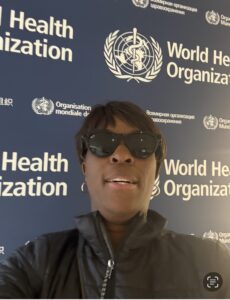
We kicked things off at the World Health Organization, and it was incredible to see global health in action. Researchers from all over the world are constantly sharing information about vaccines, new diseases, and life-saving treatments. It really hit me that protecting public health isn’t just a national effort—it’s a global team project.
Where the World Comes Together – United Nations Office at Geneva

Next stop: the United Nations in Geneva. This is where major global conversations happen. Watching how countries come together, use data, and actually try to solve problems collaboratively was powerful. It made everything I’ve learned about policy feel real.
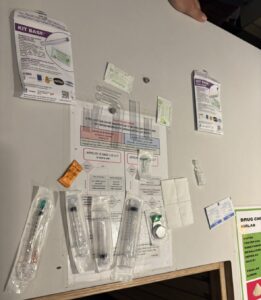 A New Perspective on Addiction – Needle Exchange Program
One of the most surprising (and impactful) visits was to a needle exchange program. Instead of punishment, the focus is on harm reduction—keeping people safe, preventing disease, and treating individuals with dignity. It challenged a lot of assumptions and showed what compassionate, realistic policy looks like.

Elder Care, But Make It Joyful – Swiss Nursing Home
This visit completely changed how I think about aging. Nursing homes here aren’t just care facilities—they’re vibrant living spaces. The focus is on independence, happiness, and quality of life. It honestly made me rethink what aging should look like.
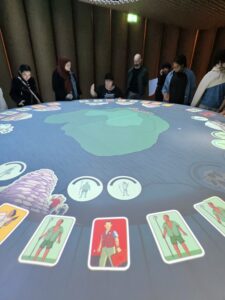
Humanitarian Work Without Borders – International Committee of the Red Cross ❤️
At the Red Cross, I learned how neutrality allows them to step into conflict zones and help people everywhere—no politics, just humanity. It was inspiring to see how much impact one organization can have across the globe.
The Future of Healthcare – Geneva Hospital
The hospital visit was next-level. We saw cutting-edge technology and met doctors who are reimagining healthcare—making it more sustainable, reducing waste, and improving outcomes long-term. One conversation that really stuck with me was with a doctor specializing in addiction. She explained something simple but powerful: addiction isn’t going anywhere. Instead of trying to eliminate it completely, the goal should be to reduce harm and respect people’s autonomy. That perspective definitely gave me something to think about.
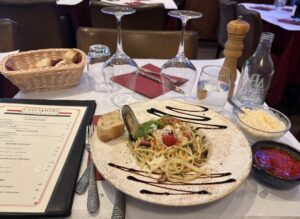
And Let’s Talk About the Food…
Okay, I have to mention the food because WOW. Everything tastes fresh and flavorful without being overloaded with sugar or salt. And the vegetarian options? So good that even a non-vegetarian like me is fully enjoying them.
Final Thoughts ✨
This trip has been more than just studying abroad—it’s been a real-world crash course in global health, policy, and how different societies approach care and community. If I’m being honest… I’ve learned more in this one experience than I would have in two 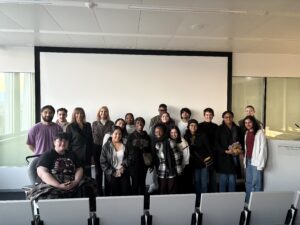 full semesters in a classroom. And the best part? The trip is not over! We still have two more days to go.
 Study Abroad in Switzerland: Coming Home ✨
If my first blog captured the excitement of learning in real time, this one is about reflection—because these last few days in Switzerland brought everything full circle.
This trip didn’t just teach me about global health and policy—it showed me what it looks like to build systems that truly center people, dignity, and lived experience.
🎨 Mental Health, Expression, and the Living Museum
One of the most powerful experiences of the trip was visiting a living museum focused on mental health. Unlike traditional museums, this space wasn’t just about observing—it was about understanding and participating.
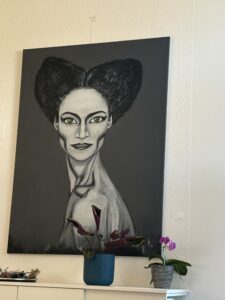
The museum showcased artwork created by individuals living with mental health conditions. These weren’t just paintings—they were expressions of emotion, identity, struggle, and resilience.
The museum also included a garden space, where individuals could work, create, and engage with nature—reflecting a broader approach to healing through creativity and community.
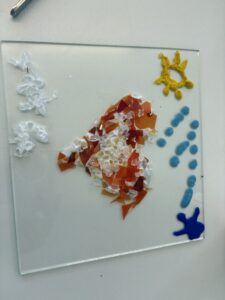
We were able to create our own artwork. I created a painting of glasses, while other students created burned wood art, paintings, and other pieces.

🐕 Mental Health Innovation I’ll Never Forget
I learned about a trained support dog for individuals with schizophrenia that helps distinguish between real-life stimuli and hallucinations.
This showed how innovation doesn’t always have to be high-tech to be impactful.
 🏨 From Hostel Living to a Beautiful Finish
In Geneva, we stayed at a hostel that served its purpose. In Zurich, we stayed at the Ibis Styles Zurich City Center, which was modern, comfortable, and a great way to end the trip.
We also had dinner at a really nice restaurant, which was a perfect closing experience.

👩🏽⚕️👨🏽⚕️ The People Made the Experience
I had an amazing time connecting with students aiming to be doctors, nurses, and public policy professionals.
We talked about career goals, personal challenges, major successes, and even strategies for growing money in stocks.
💭 Final Reflection
This trip was more than studying abroad—it was growth, perspective, connection, and inspiration.
I learned more in this one experience than I would have in multiple semesters.
